27 November 2026
Nicotine pouch strength versus pouch size
Presented by @nicotinenotes
Nicotine pouches can look deceptively similar. A small pouch and a larger one may sit in the same range, yet feel quite different once placed under the lip. The reason is that strength and size are separate details. Strength tells you how much nicotine is in the pouch, while pouch size affects comfort, fit and how the pouch sits in the mouth. Understanding the difference makes nicotine pouches by strength easier to compare without relying on guesswork.
For adults aged 18 and over, the practical question is rarely just "which is strongest?" A pouch that feels too strong can be uncomfortable, while one that seems mild may not suit someone with a higher tolerance. Size then adds another layer. A mini pouch can be discreet and light, while a slim pouch may feel more secure for longer use. The better choice depends on what the reader values: control, comfort, discretion or a steadier nicotine release.
What strength actually tells you
Strength is usually shown as a nicotine content figure in milligrams, or as a numbered strength rating. The figure describes the amount of nicotine in each pouch. It does not, on its own, describe how quickly that nicotine is released or how strong the experience will feel. Two pouches with the same nicotine content can feel different because of their size, moisture, texture and how well they sit against the gum.
A lower strength can suit someone who is still working out what feels comfortable, or who wants a shorter, lighter option. A higher strength may appeal to someone with a higher tolerance who prefers fewer pouches across the day. That does not make one option better in every case. Tolerance, timing and personal preference all shape the decision.
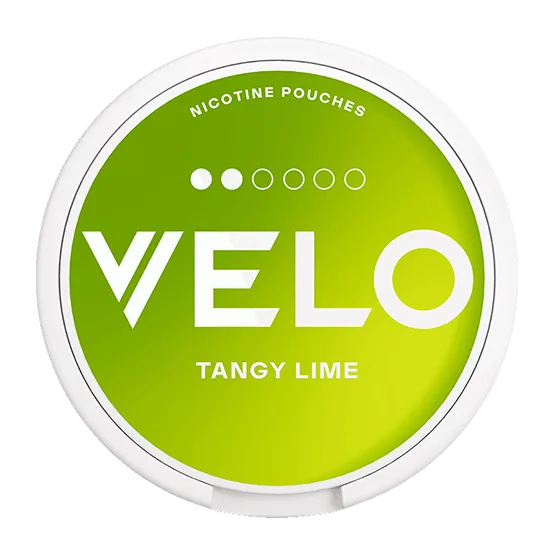
When comparing nicotine pouches by strength, it helps to look at the full product description rather than the boldest number on the tin. A strength rating is a useful starting point, but it should be read alongside nicotine content and the intended pouch format. This is especially useful when moving between different formats, because a change in pouch size can alter the feel even if the stated strength stays the same.
How pouch size changes the experience
Pouch size affects the physical fit. A mini pouch is smaller and often chosen by people who want something subtle under the lip. It may feel less noticeable at first, though some users find that it shifts more easily or feels less substantial over a longer period. A slim pouch is typically longer and more shaped for the mouth. It can feel more settled, which may matter when the pouch is used for a while.
Larger pouches are not automatically stronger, and smaller pouches are not automatically gentler. The nicotine content is what carries the strength. Size mostly changes the way that content is delivered and perceived. A smaller pouch can feel sharper if it releases nicotine quickly in a compact format. A larger pouch can feel smoother even when it contains more nicotine, simply because it sits differently and may release nicotine at a different pace.
Comfort is also a practical issue. A pouch that is too large for the user's mouth can press against the gum or cheek. A pouch that is too small may be harder to position. Trying a few formats over time, while paying attention to comfort and nicotine release, is often more useful than choosing by size alone.
Strength and size compared side by side
The main trade-off is control versus feel. Strength gives a clearer indication of nicotine amount. Size gives a clearer indication of how the pouch will sit and feel. When the two are considered together, the choice becomes less confusing.
- Lower strength, smaller pouch: often suits someone who wants a light, discreet option and is mindful of comfort.
- Lower strength, larger pouch: may suit someone who likes a more settled fit but prefers a milder nicotine content.
- Higher strength, smaller pouch: can feel more direct, so it may suit people with a higher tolerance who still prefer a compact format.
- Higher strength, larger pouch: may appeal to those who want a longer lasting feel and are comfortable with a higher nicotine content.
These combinations are not rules. They are a way to think about the choice. A person may like a small pouch at one strength and a larger pouch at another, depending on the flavour, texture and time of day. Flavour can influence the perceived intensity too, since a bold flavour may make a pouch feel stronger even when the nicotine content is unchanged.
Choosing a suitable pouch strength without overcomplicating it
A good approach is to start with tolerance and then narrow the format. Someone who is sensitive to nicotine may prefer to stay toward the lower end and notice how the pouch feels before considering a stronger option. Someone with a higher tolerance may find that a stronger pouch is more practical. In either case, comfort matters. If the pouch is awkward, the strength becomes harder to judge because the experience is shaped by irritation or poor fit.
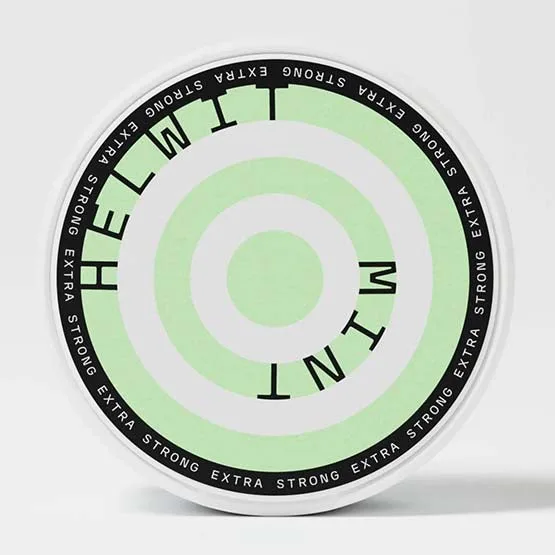
This is where a suitable pouch strength depends on more than a number. A person who wants a brief, discreet option may value a mini pouch at a moderate strength. Another person who wants a more stable under-lip feel may prefer a slim pouch at a similar strength. The nicotine amount may be comparable, but the day-to-day experience can be quite different.
It is also sensible to avoid jumping between very different strengths in one go. Moving from a mild pouch to a much stronger one can make it difficult to tell whether the change in feel comes from nicotine content, pouch size or flavour. Smaller changes are easier to assess. Keeping notes on strength, size and comfort can help, though the aim is not to turn the choice into a spreadsheet. The goal is simply to spot patterns.
When a mini pouch makes more sense
A mini pouch tends to suit situations where discretion is the priority. It is less bulky under the lip and can be easier to forget about once positioned. For someone who wants a lower profile, this format can feel more natural than a larger pouch. It may also suit people who prefer shorter sessions and a lighter presence.
The trade-off is that a mini pouch may not feel as stable for everyone. If it moves around, the nicotine release can feel less even because the pouch is not sitting comfortably. A person comparing options should pay attention to whether the pouch stays in place, whether it presses on the gum and whether the feel fades unevenly. If those issues appear, a higher strength is not necessarily the answer. A different size may be more useful.
When a slim pouch is the better fit
A slim pouch often suits regular use because of its shape. It can sit more neatly in the mouth and may feel more secure than a compact option. For people who value a consistent feel, that stability can matter as much as the stated strength. A slim pouch can also be easier to compare across strengths because the format stays familiar while the nicotine content changes.
That said, a slim pouch is not ideal for everyone. Some people prefer the smallest possible option, especially when they want the pouch to be less noticeable. Others may find a larger format more comfortable. The right format is the one that fits without becoming a distraction.
Reading strength information with care
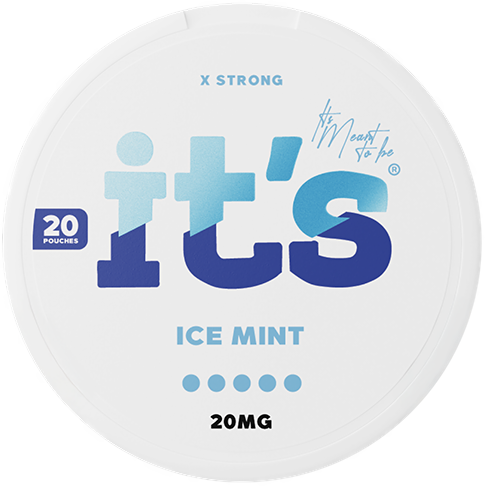
Strength labels are helpful, but they should not be treated as a promise of how a pouch will feel. Nicotine content, pouch size, moisture and flavour all play a part. A strength rating can guide a first choice, then personal comfort helps refine it. Adults using nicotine products should also keep in mind that nicotine is addictive and not suitable for non-users, children or young people.
A practical comparison starts with a simple question: is the goal a lighter experience, a stronger option for higher tolerance, or a pouch that simply feels better in the mouth? Once that is clear, strength and size can be weighed together. The best match is usually the one that balances nicotine content with a comfortable fit, rather than the option with the most eye-catching number.